

UNDERSTANDING PHYSIOTHERAPY
What is Physiotherapy?
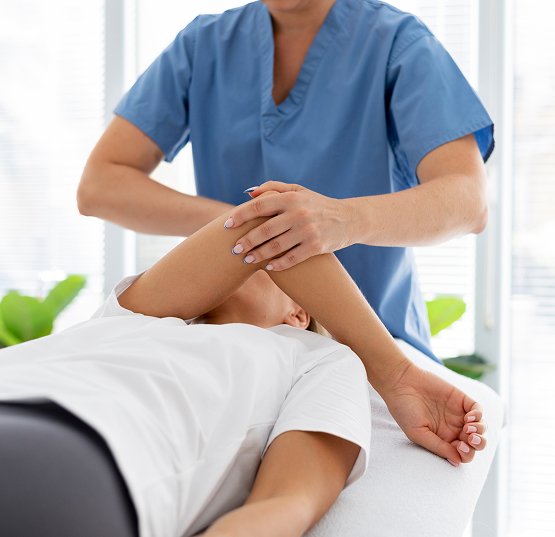
Physiotherapy is an evidence-based healthcare profession that restores movement, strength, and function when your body is affected by injury, pain, surgery, or illness. A physiotherapist assesses how your body moves, identifies what’s weak, tight, or overloaded, then treats it with a combination of hands-on therapy, targeted exercise, and techniques such as dry needling and shockwave therapy.
What makes physiotherapy different from passive treatments is that it changes your body’s capacity, not just its symptoms. Massage relieves a tight muscle; physiotherapy also strengthens the weak one that made it tight. That’s why physiotherapy outcomes last.
In Singapore, physiotherapists are registered healthcare professionals under the Allied Health Professions Council (AHPC); every physiotherapist at Orchard Health Clinic holds full AHPC registration.
RIGHT TREATMENT, RIGHT DISCIPLINE
When Should You See a Physiotherapist?
See a physiotherapist if you’re dealing with: an injury that isn’t healing after a week or two; pain that returns whenever you resume sport, exercise, or long workdays; weakness, instability, or reduced range of motion; recovery after surgery; or aches you’ve started accepting as “normal”; they rarely are.
| Discipline | Main Focus | Often Considered For |
|---|---|---|
| Physiotherapy | Rehabilitation through exercise, movement retraining, education, and selected hands-on techniques. | Recovery after injury or surgery, sports injuries, weakness, reduced mobility, and returning to daily or sporting activities. |
| Chiropractic | Assessment and manual treatment of musculoskeletal concerns, with particular attention to the spine and joints. | Back or neck discomfort, joint stiffness, and movement restrictions where spinal or joint-focused care may be suitable. |
| Osteopathy | A whole-body assessment of how muscles, joints, connective tissues, and movement patterns may contribute to symptoms. | Recurring musculoskeletal pain, postural strain, restricted movement, and symptoms that may involve several connected areas. |
When another discipline fits better, we’ll say so: one assessment, three disciplines under one roof, the right plan. That’s the advantage of our clinic over a standalone physio studio.
CONDITIONS WE TREAT
What Conditions Can Physiotherapy Treat?
Sports and Overuse Injuries
Sprains, hamstring and calf tears, runner’s knee, tennis and golfer’s elbow, rotator cuff injuries, plantar fasciitis, return-to-sport rehab.
Back, Neck and Postural pain
Lower back pain, neck pain, sciatica, and desk-related strain: hands-on relief plus the strengthening that stops it returning.
Joint and Post-Surgical Rehab
Frozen shoulder, knee and hip conditions, arthritis stiffness, structured rehabilitation after orthopaedic surgery.
Specialised Physiotherapy
Dedicated women’s health physiotherapy, prenatal and postnatal, and paediatric physiotherapy for children’s development.
Not sure whether physiotherapy fits your condition? Ask us — no obligation.
Posture Correction Programme
Undoing What Your Desk Does to Your Body
Poor posture isn’t a character flaw; it’s an adaptation. Hours of sitting teach your body a shape: tight chest and hip flexors, weak deep neck and core muscles, rounded shoulders, forward head. Over time, that shape produces neck pain, headaches, backache, and even breathing restriction.
Posture correction at Orchard Health Clinic is a structured physiotherapy programme, not a list of reminders to “sit up straight.” Your physiotherapist assesses your specific pattern, releases what has shortened, strengthens what has switched off, and coaches the workstation habits that hold the change. Most patients notice visible and felt change within weeks, because we change what your muscles can do, not just what you remember to do.
services
Physiotherapy Treatments & Techniques at Orchard Health Clinic
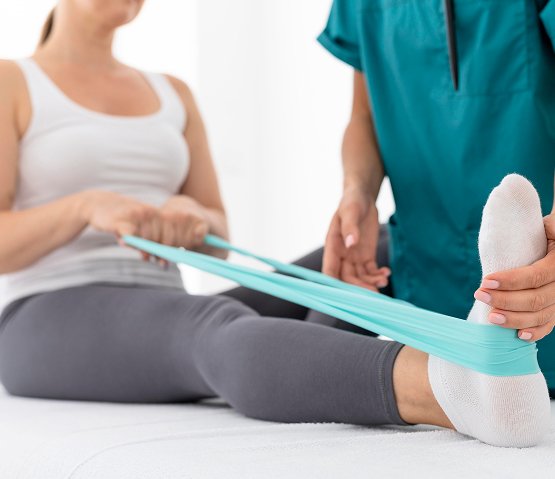
Our physiotherapists use a combination of hands-on techniques, exercise therapy, and specialised modalities depending on the nature and stage of your condition. Treatment is never a fixed protocol; it is built around your specific assessment findings and adjusted throughout your recovery.
Postural Assessment & Correction
A structured assessment of posture, movement patterns, and body alignment to identify imbalances contributing to pain or dysfunction. Findings inform a targeted correction programme combining exercise, manual therapy, ergonomic advice, and movement re-education.
Manual Therapy
Hands-on techniques, including joint mobilisation, joint manipulation, and soft-tissue release. Manual therapy is used to restore joint mobility, reduce muscle tension, ease pain, and improve tissue flexibility. It is particularly effective for musculoskeletal conditions affecting the spine, shoulders, hips, and knees.
Cold therapy is applied to injured or inflamed tissues to reduce swelling, manage acute pain, and support the early stages of tissue healing. Cryotherapy at Orchard Health Clinic is used as a targeted, localised treatment within the physiotherapy session.
Dry needling involves the insertion of fine needles into myofascial trigger points — tight, hyperirritatable bands within muscle tissue. It is distinct from acupuncture in both philosophy and application. Dry needling releases muscular tension, reduces referred pain, and restores normal muscle function. It is commonly used for neck pain, back pain, shoulder conditions, and sports-related muscle tightness.
Controlled electrical currents are applied to stimulate muscle activation, reduce pain, and support tissue repair. Electrotherapy is used as a supporting modality within a broader physiotherapy programme, particularly for acute pain management and muscle re-education following injury or surgery.
Sound waves are applied to deep tissue structures to generate therapeutic warmth, promote circulation, and accelerate healing. Therapeutic ultrasound is used for ligament injuries, tendon conditions, and areas of chronic tightness.
YOUR FIRST VISIT
What to Expect at Your First Session
Consultation
Your history: the injury or pain, your activity levels, your goals, whether that's finishing a marathon or carrying your child without wincing.
Assessment
Movement analysis, strength and flexibility testing, and hands-on examination to identify not just what hurts, but why it's overloading.
Treatment
Begins in the first session: hands-on therapy to relieve pain, plus the first exercises of your personalised programme. You leave with a clear diagnosis, honest timelines, and exercises you can actually do.

TRANSPARENT PRICING
How Much Does Physiotherapy Cost in Singapore?
At Orchard Health Clinic, your physiotherapy session includes a full assessment, hands-on treatment and a personalised exercise programme. Treatment techniques such as dry needling may also be included where clinically appropriate, without being charged as separate add-ons.
20% Off Your First Session
- Full consultation and movement assessment
- Hands-on treatment from an AHPC-registered physiotherapist
- Personalised exercise programme to take home
- Dry needling included where clinically appropriate
- Insurance documentation provided
THE PEOPLE TREATING YOU
Meet Our Physiotherapists
Every physiotherapist at Orchard Health Clinic holds full AHPC registration, with postgraduate certification in areas including dry needling and sports rehabilitation.

Jerome Lim
Jerome Lim is a physiotherapist at Orchard Health Clinic. He holds a BSc (Hons) in Physiotherapy from Trinity College Dublin and is registered with the AHPC. His clinical experience includes work in the public healthcare sector, managing a range of conditions across various age groups. His areas of practice include post-operative orthopaedic rehabilitation, cardiopulmonary care, geriatric physiotherapy, and the management of chronic musculoskeletal and neurological conditions such as migraines, headaches, and disc-related issues. His treatment approach typically incorporates manual therapy, dry needling, and exercise prescription, with consideration given to each individual’s needs and circumstances.
Patient Stories
What Our Patients Say
EXCELLENT Based on 306 reviews
 Posted on Google
 yewboon liowMartin John went the extra mile to work with my fitness trainer. He was very detailed in the exercises that would help improve my condition that even my trainer was impressed, saying that this is the first time he’d come across such a thorough osteopath. Martin’s positive and reassuring approach gives me the confidence and motivation to work towards better health and habits.Posted on Google
 Glenn KohI’ve had a fantastic experience here! The entire team is warm, welcoming, and truly dedicated to their clients' well-being. The treatment and care provided are top-notch, and you can really tell how much they care about helping you make real progress. Highly recommend to anyone looking for skilled professionals and exceptional care! For me if was back and shoulder related pains.Posted on Google
 Pin Lay ChiExcellent service by the therapists when I visited last month. I was given advice on my posture, areas to improve and also physiotheraphy to improve my range of movement on my knees and also right shoulder! I like the spaciousness of the rooms and the exercises recommended by the physiotherapist to improve my mobility and ability. They took time to understand my concerns and gave me advice on exercises I did on my own as well!Posted on Google
 Malaika MorrisonMona is life changing and the front desk ladies are the best!Posted on Google
 Shireen NgMinJee is very skillful, helpful, kind and professional in her job. Love my physio session.Posted on Google
 PlanetLightWorkerHad my session with Min Jee. She is amiable, easy to engage and superb with her delivery. 100% recommended. Thank you very much Min Jee for your service and thank you to Orchard Health Clinic!Posted on Google
 Patricia WongGood, professional therapists. Would recommend.Posted on Google
 Lynne ZayneI had a very positive experience at Orchard Health Clinic. The staff were warm, welcoming, and professional from the moment I arrived. My therapist, Mona, took the time to listen carefully to my concerns, explained everything clearly, and made me feel comfortable throughout each session. The clinic was clean, well-organised, and appointments were managed efficiently with minimal waiting time. I genuinely appreciated the high standard of care and would happily recommend Orchard Health Clinic to anyone looking for attentive and compassionate therapy in Singapore.Posted on Google
 Victoria LamMy physiotherapist, Min Jee, was very attuned to my needs and fantastic at identifying the problem areas causing my pain. She also delivered a soft tissue release massage that really helped loosen my tight muscles and increase my mobility. Great service staff as well. Will definitely be back!
Frequently Asked Questions About Physiotherapy in Singapore
When will I require Physiotherapy?
Physiotherapy can help promote, restore, and maintain physical function and mobility, addressing various musculoskeletal, neurological, and other physical health issues. As such, it is often recommended for:
- Athletes recovering from sports-related injuries;
- Elderly with age-related conditions like osteoporosis;
- Expecting mothers or mothers who have given birth;
- Those with musculoskeletal issues, such as sprains, strains, and fractures;
- Those with neurological issues such as sclerosis;
- Those experiencing chronic pain;
- Those recovering from surgical procedures, including ligament repairs, joint replacements, and cardiovascular surgery.
Take the first step toward better mobility and recovery. Book an appointment with our Orchard Health Clinic.
What is the recommended frequency for rehabilitation sessions?
The frequency of treatment will depend on the severity of your condition and how your body responds to the treatment. Our Physiotherapists will assess your condition before tailoring the treatment to best suit your needs. Active participation in the treatment is crucial to improving your physical health and speeding up your recovery. So do not hesitate to communicate with our physiotherapists and discuss any concerns you may have during treatment. Once we notice significant improvements, we may suggest spacing out the treatments for maintenance.
Explore our blog or contact us to discover the right rehabilitation plan for you.
Can physiotherapy fix my posture?
Yes, by treating the cause, not the reminder. We release shortened structures, strengthen the muscles that have switched off, and retrain your daily positions. See our posture correction programme above for how it works.
What should I wear for my Physiotherapy sessions?
During Physiotherapy sessions, you will be moving a lot. Therefore, it is essential to wear comfortable clothing that allows easy movement. Occasionally, treatment may involve manipulation and soft tissue release. As such, your attire should also permit access to the treated areas. We also recommend wearing comfortable footwear that is supportive and suitable for the activities you will be performing, like athletic shoes or sneakers.
Be ready for your recovery! Explore our blog for more tips on preparing for your physiotherapy sessions.
Is physiotherapy claimable under insurance?
Many integrated shield plans and corporate insurance policies in Singapore cover physiotherapy. Coverage varies by insurer and plan type. We recommend checking with your insurer directly. Our team can provide documentation to support your claim.
What's the difference between a physio clinic and a massage or wellness studio?
Physiotherapists are AHPC-registered healthcare professionals who diagnose, treat, and rehabilitate; massage relieves symptoms temporarily, while physiotherapy changes the strength and movement patterns causing them. If your pain keeps returning after massage, that’s the sign you need the latter.
 Orchard Health Clinic